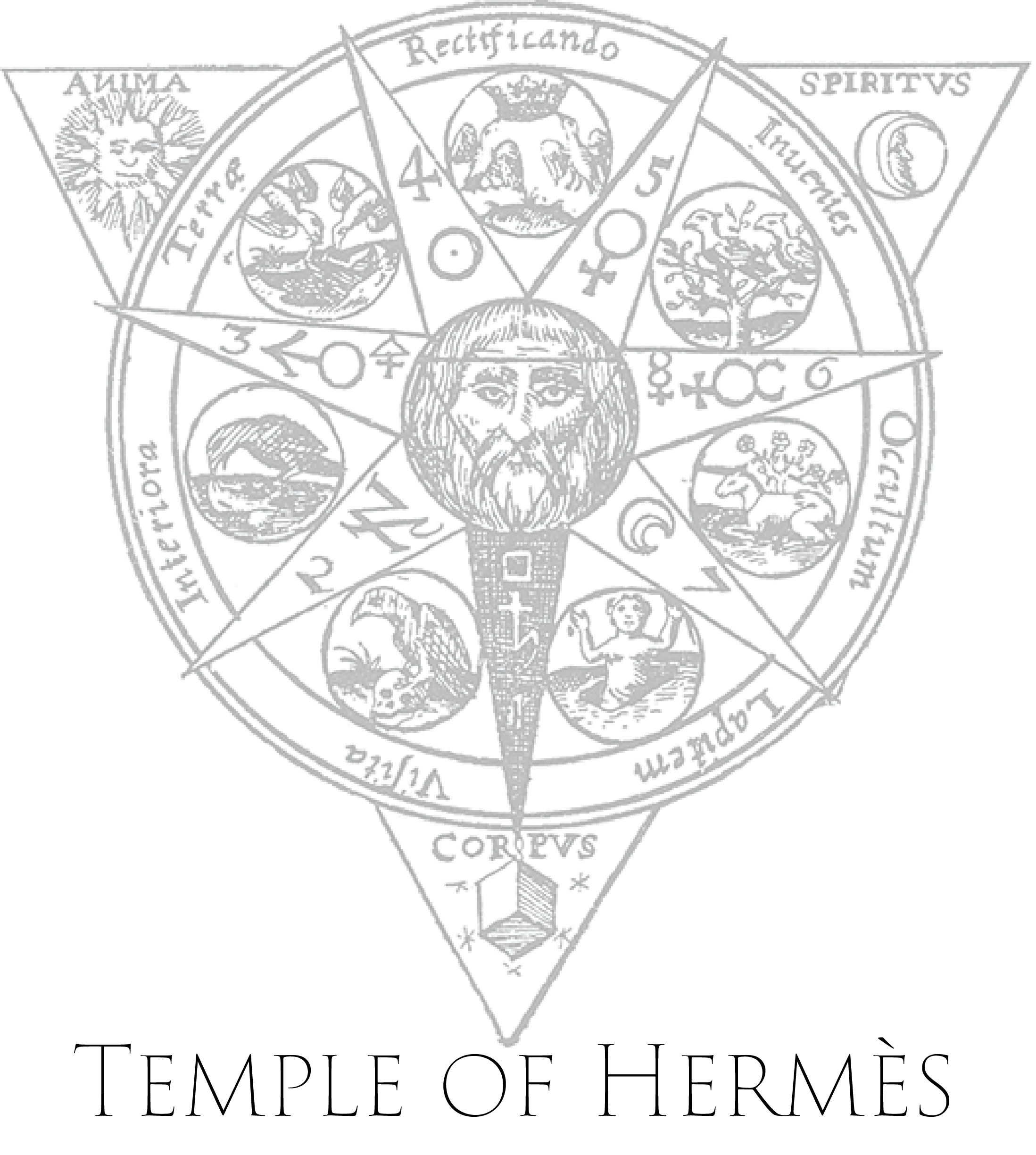

In the sacred corridors of our Hermetic practices, Noble Silence and Spiritual Observation stand as profound pillars that invite the seeker into the mysteries of the self and the universe. Noble Silence, far beyond the mere absence of speech, is an intentional quietude that harnesses the whispers of the soul and the murmurs of the cosmos. These practices cultivate a sanctuary within, where seeds of inner wisdom can grow undisturbed by the tumult of the external world. Spiritual Observation complements this silence with a vigilant yet gentle gaze that discerns the subtle energies and intricate patterns that dance through our individual and collective existence.
Together, these practices are not just acts of discipline but are sacred rituals that unveil the interconnectedness of all beings and their divine essence. By engaging in these rituals, the practitioner steps onto a path illuminated by the light of inner knowledge and profound insight, each step deepening their union with the universal forces and guiding them toward a transformative revelation of their true spiritual nature. This journey through Noble Silence and Spiritual Observation is a true testament to the Hermetic axiom, “As above, so below,” reflecting the eternal dance of the macrocosm within the microcosm of one’s being.
Interested in Joining our Community?

The Importance of Silence and Observation in Spiritual Growth
Silence and a state of non-attached observation are pivotal in our Hermetic practice. These are not passive states but vigorous engagements that deepen one’s spiritual insights and connection to the self. Silence is more than the absence of sound; it is the fertile ground in which seeds of wisdom become visible. It provides the mental space necessary for cultivating the internal processes of reflection and integration of spiritual experiences. Observation, on the other hand, is the attentive gaze that notices subtle energies and patterns, both within the self and in the external world. It cultivates a deep awareness that is critical for the practitioner’s ability to command and harmonize these forces. Both practices are essential for the discernment and application of our teachings and practices, creating a foundation for the seekers transformative journey.
These practices of silence and observation are not merely recommended as part of a spiritual regimen; they are integral to the foundation of the Hermetic path. It is emphasized these practices as tools for cultivating a profound internal awareness and an attuned perception of the external world, both of which are essential for the Seeker’s spiritual advancement.
Silence in Hermetic Practice
There is great importance placed on the practice of silence, viewing it as essential for the development of what is called a “magical equilibrium.” Silence, in this context, is more than the cessation of speech; it involves the quieting of the internal chatter and the emotional disturbances that perpetually occupy the mind. This inner silence is crucial for the practitioner to effectively carry out the exercises of concentration, meditation, and the eventual projection of one’s will into the field. Developing exercises that involve concentrating on a single thought or object, which train the mind to maintain focus and tranquility in a state of silence or chaos. This practice helps to develop a mental fortitude that can withstand many external influences and aids in the cultivation of a deeper, intuitive wisdom for the self and an internal knowing of the moment in which you find the Self.
Observation in the Hermetic Lineage and Other Traditions
The Practice of Observation extends beyond passive watching. It is an active, discerning engagement with the environment and oneself. This involves exercises in sensory awareness where the practitioner must learn to keenly observe their surroundings using all senses, then gradually internalize this practice to observe their internal states and thoughts. Our lineage guides each practitioner and student to notice patterns in thoughts and emotions, as well as in the energies around them, which is vital for understanding, commanding, and integrating with the elemental forces within and outside themselves.

Observation is a cornerstone in many spiritual and religious traditions across the world, manifesting in various practices aimed at cultivating mindfulness, awareness, and deeper understanding of the self and the universe. Each tradition incorporates observation in unique ways to support spiritual growth and enlightenment. We find it wise to understand other pathways to the infinite and recognize many notable practices from diverse faiths and traditions:
Buddhism
In Buddhism, mindfulness (Sati) and observation are fundamental practices. Mindfulness meditation, known as Vipassanā, involves observing thoughts, feelings, and sensations as they arise, without attachment or aversion. This practice encourages practitioners to witness the impermanent nature of all phenomena, leading to insights into suffering (Dukkha), impermanence (Anicca), and the non-self (Anatta). Observational practices in Zen Buddhism, such as Zazen or sitting meditation, focus intensely on the breath and posture, cultivating a profound awareness of the present moment.
Hinduism
Hinduism incorporates observation in its meditation and yoga practices. Dhyana (meditation) involves observing one’s thoughts and breath, aiming to transcend the physical and mental to reach a state of higher consciousness. In yoga, practitioners observe the alignment of body, breath, and movement, fostering an awareness that is said to bring one closer to the union with the divine (Yoga).
Christianity
In Christian mysticism, practices like Lectio Divina involve reading scripture slowly and attentively, observing the words and their implications deeply, allowing for a reflective and contemplative experience with the divine. The practice of Examen, a form of prayer developed by St. Ignatius of Loyola, involves observing one’s thoughts and actions at the end of each day to find God’s presence in one’s life and to discern his direction for them.
Sufism
Sufism, the mystical branch of Islam, emphasizes the practice of Muraqaba (meditation), which involves the observation of one’s heart and thoughts to connect with God. Sufis may also observe the beauty of nature and the arts as a reflection of divine beauty, leading to a deeper spiritual contemplation and union with the divine.
Indigenous Spiritual Practices
Several indigenous cultures around the world use observation of nature as a central spiritual practice. This may involve observing animal behaviors, seasonal changes, and other natural phenomena to gain insights into the interconnectedness of life and the wisdom of the Earth. These observations often inform rituals, storytelling, and ethical guidelines within the community.
Taoism
In Taoism, observation is subtly integrated through the practice of Tai Chi and Qi Gong, where the flow of movements and breathing requires acute attention and alignment with the Tao, or the fundamental nature of the universe. Observing the natural flow of life and aligning oneself with it is a key Taoist practice, reflecting the principle of Wu Wei (effortless action).
These diverse practices highlight the universal importance of observation in spiritual development across different religions and spiritual traditions. Each method, while unique in approach and philosophy, shares the common goal of enhancing self-awareness, spiritual insight, and a deeper connection with the divine or the ultimate reality.

Integration of Silence and Observation
The integration of silence and observation is truly pivotal in advancing through the steps of initiation. For example, creating exercises in Astral Projection—an advanced practice of projecting one’s consciousness to different places while maintaining a silent mind and keen observational skills—are predicated on the adept’s ability to remain non-attached and observant. These exercises enhance the practitioner’s control over their mental faculties and astral bodies, facilitating experiences that reveal deeper universal truths and enhance personal and magical efficacy.
Practical Applications
Daily applications of silence and observation, such as refraining from unnecessary speech, will conserve mental energy that can be redirected towards spiritual pursuits or study. In terms of observation, we advocate for regular periods of reflection on daily experiences, which can provide insights into the subtle laws of cause and effect governing the physical and spiritual realms for the individual’s journey.
Understanding Astral Projection
Astral projection is a deliberate act of sending one’s consciousness to a plane beyond the physical, often described in Hermetic texts as traversing the subtle realms of existence. This practice is not merely a product of modern occultism but stems from a long tradition dating back to ancient Egyptian beliefs about the soul’s capabilities and journeys. In the context of Hermetism, astral projection is used for spiritual enlightenment, healing, and profound personal transformation, providing insights that are unattainable in the physical domain.
The Role of Silence in Astral Projection
Silence, in the practice of astral projection, is not merely the absence of sound but a deep quietude of the mind and emotions. This internal silence is essential for achieving the mental clarity and focus required to separate consciousness from the physical body. The practice begins with deep meditation techniques that calm the mind and reduce sensory input, allowing the practitioner to reach a state of inner stillness. Techniques such as breath control and sensory deprivation are employed to deepen this silence, creating the mental conditions conducive to projecting the astral body.
Observation as a Tool in Astral Projection
While silence prepares the mind for departure from the physical form, observation becomes crucial once the projection is underway. Observation in astral travel involves a heightened awareness and a keen attention to detail, which helps in navigating the astral planes and interacting with its various phenomena. Practitioners must remain vigilant, observing the environments and entities encountered without emotional or mental attachment. This non-attached observation allows for a clear and unbiased experience, reducing the risk of misinterpretation and the influence of deceptive astral entities.
Safe Practices of Astral Travel
Integrating silence and observation in astral projection involves a structured approach across several phases:
- Preparation Phase: The practitioner creates a conducive environment, minimizing physical disturbances. This phase includes meditative practices that promote deep internal silence. Breathing Patterns that assist in the activation of the Astral Body.
- Projection Phase: Utilizing the cultivated silence and astral energy, the practitioner dissociates from the physical body. Observation becomes active here, guiding the consciousness through the initial separation and into the astral plane through intention and the critical aspect of one’s will.
- Exploration Phase: In the astral realm, observation is critical. The practitioner navigates through various astral landscapes and encounters, using observation and attunement to learn and gather insights while maintaining emotional and mental non-attachment to the physical.
- Return Phase: Silence aids in the reintegration of the astral and physical bodies, while observation ensures the return is mindful and complete, retaining the insights gained from the journey. Journaling is helpful to the adept.

As we continue to navigate the profound layers of consciousness through practices like meditation and astral projection, it becomes apparent that the journey of self-discovery encompasses realms both within and beyond the ordinary.
For those who feel drawn to delve deeper into the mysteries of the mind and spirit, participating in an Ayahuasca ceremony offers a unique and transformative opportunity. This sacred ritual, rooted in ancient tradition, serves as a conduit to inner realms and insights, facilitated by the ceremonial use of visionary master plants, known for its powerful properties. If you are ready to begin this profound journey, and explore the depths of your own consciousness and unlock new dimensions of understanding, consider initiating yourself in ceremony. This experience promises not only to expand your perception but also to foster a profound connection with the spiritual essence of existence.