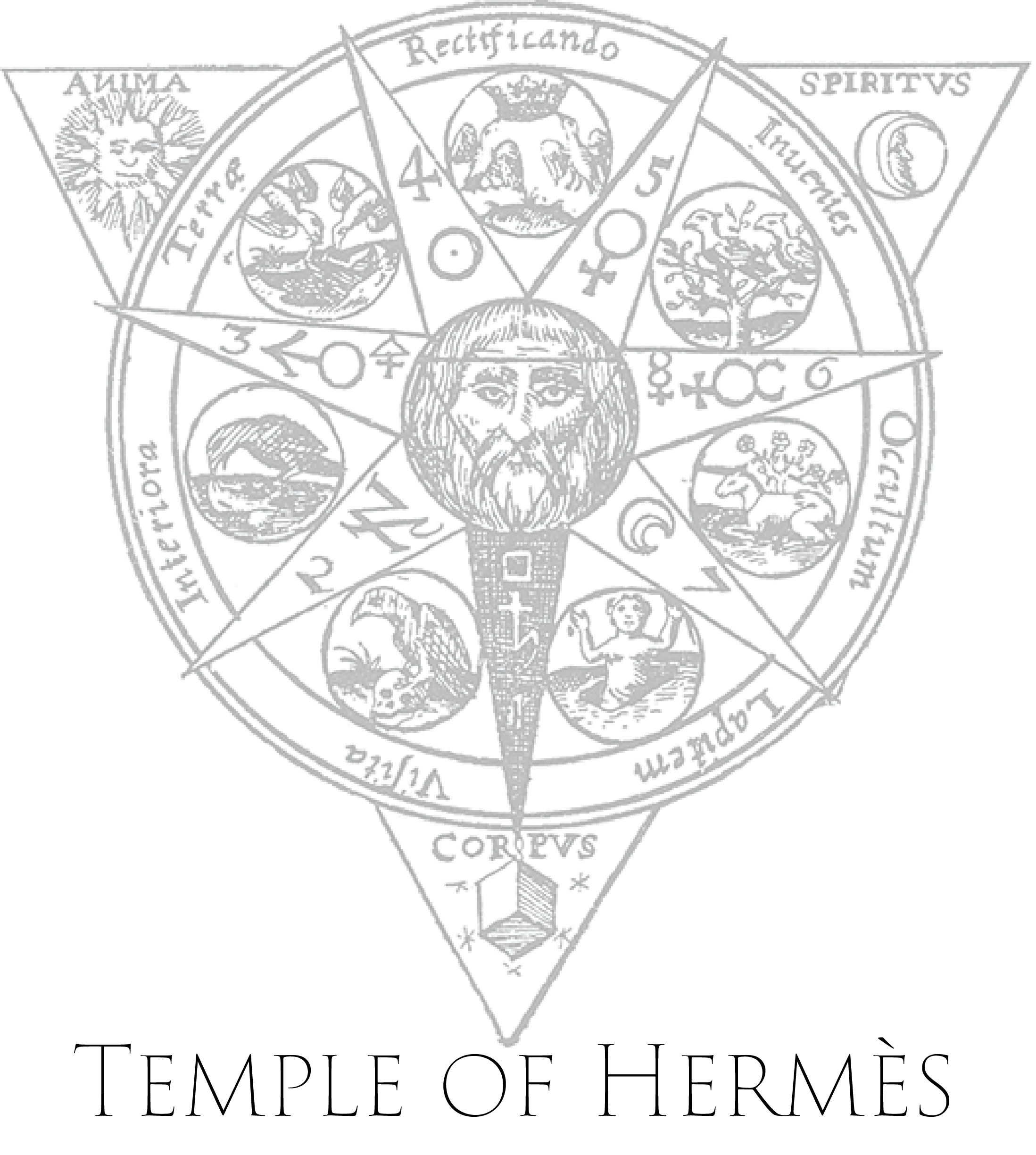
The Work begins as a whisper in the depths of the soul, a quiet yet insistent call that stirs beneath the surface of a life once lived in distraction and avoidance. For the person embarking on deep transformational healing, it is often the echoes of pain, the heaviness of unresolved emotions, or the longing for something more authentic that signals the start of this journey. At first, it may seem chaotic—an unraveling of old patterns, relationships, and beliefs that once provided a sense of stability but now feel hollow. Yet, within this dismantling lies the seed of something profound: the discovery that healing is not just an endpoint but a process—a sacred dialogue between the conscious self and the hidden layers of the psyche.
In the midst of this experience, The Work reveals itself as both a challenge and a gift. It is a process of peeling back the layers of emotional and mental clutter to face the raw truths of one’s inner world. This is not a journey for the faint-hearted; it demands courage, vulnerability, and persistence. Through practices like journaling, meditation, and self-reflection, the individual learns to sit with their discomfort, to process what was once too painful to acknowledge. The nervous system begins to calm, shifting from survival mode to a state of trust and repair. The fragmented pieces of the self start to weave together, and the person discovers that within the chaos lies clarity, within the pain, a profound sense of purpose. The Work is not merely about healing wounds; it is about uncovering the radiant wholeness that has been there all along.
Integration after ceremony is a multifaceted process that varies from person to person, but generally, based on available data and insights from our experience and trusted sources, it involves the following key stages and practices:
1. Immediate Physical and Emotional Grounding
- Physical Recovery: After an ayahuasca ceremony, the body may feel fatigued, dehydrated, or imbalanced due to the intense physical purging (vomiting, crying, sweating). Immediate physical grounding involves:
- Rest
- Hydration
- Eating nutritious, grounding foods
- Emotional Stabilization: Ayahuasca often brings deeply repressed emotions to the surface. Post-ceremony, it’s crucial to stabilize and process these emotions, typically through:
- Journaling
- Gentle movement like yoga
- Breathwork and mindfulness to regulate the nervous system
The calming of the nervous system is fundamental to the healing of the individual, as it directly impacts physical health, emotional well-being, and spiritual balance. The nervous system governs the body’s stress responses, such as the fight-or-flight reaction, and its ability to recover and rejuvenate in states of rest and repair. By calming the nervous system, we create conditions for healing to unfold on every level.
The Physiology of Stress and Healing
When the nervous system is dysregulated, the sympathetic branch—the one responsible for fight-or-flight—dominates. Chronic stress keeps the body in this heightened state, leading to elevated cortisol levels, inflammation, and a host of ailments, including anxiety, cardiovascular issues, and weakened immunity. Healing begins when the parasympathetic branch, which oversees rest, digestion, and recovery, takes precedence. Calming practices such as slow breathing, mindfulness, and relaxation techniques signal the nervous system to switch from survival mode to a state of safety and restoration.
The Connection Between Calm and Mental Health
The nervous system is intimately tied to the brain and emotional centers, including the amygdala and prefrontal cortex. When the nervous system is overstimulated, the amygdala becomes hyperactive, causing heightened fear, anxiety, and reactivity. By calming the nervous system, these stress responses decrease, allowing the prefrontal cortex—responsible for rational thinking, emotional regulation, and self-awareness—to regain control. This shift fosters resilience, clarity, and emotional healing.
Spiritual Implications of Nervous System Regulation
In many spiritual traditions, calming the nervous system is seen as a gateway to deeper states of awareness and union with the divine. Practices such as meditation, prayer, and breathwork not only soothe the body but also quiet the mind, opening space for introspection, connection, and transcendence. The nervous system acts as a bridge between the physical and subtle bodies, and its regulation can harmonize these aspects, fostering a sense of wholeness.
Tools for Calming the Nervous System
- Breathwork: Techniques such as diaphragmatic breathing or alternate nostril breathing slow the heart rate and stimulate the vagus nerve, promoting a parasympathetic response.
- Mindfulness and Meditation: Focusing on the present moment reduces rumination and stress signals, encouraging nervous system balance.
- Physical Movement: Practices like yoga or Tai Chi integrate breath and movement, soothing the nervous system while releasing tension.
- Nature Immersion: Spending time in natural environments has been shown to lower cortisol levels and restore nervous system equilibrium.
- Somatic Awareness: Paying attention to bodily sensations and practicing gentle movements can release stored trauma and tension, aiding the nervous system’s recovery.
Healing as an Integrated Process
When the nervous system is calm, the body heals more effectively, emotions are processed more fluidly, and spiritual insights become accessible. This state of balance restores the individual’s natural rhythms, aligning the physical, mental, and spiritual dimensions of being. Calming the nervous system isn’t just about reducing stress; it’s about creating an environment within where healing, growth, and transformation can flourish.
2. Processing and Reflection
- Journaling and Reflection: Immediately after the ceremony, many participants document their experiences—visions, emotions, physical sensations—in a journal. The aim is to capture details while they are fresh, which can later be analyzed for deeper meaning.
- Seeking Meaning in Visions: Ayahuasca often communicates through visions and symbolic imagery. Integration involves reflecting on these visions to decode their personal or universal meaning.
- Dialogue with Guides: Many turn to spiritual guides, facilitators, or therapists familiar with plant medicine for help in interpreting difficult visions or feelings that surface. Therapy that integrates spiritual insights is particularly helpful for addressing trauma or complex emotions.
Processing and deep reflection are integral to calming the nervous system and facilitating healing because they enable the individual to release pent-up emotions, identify patterns, and foster self-awareness. These practices, particularly when coupled with journaling, create a structured environment for introspection and emotional processing, which is essential for regulating the nervous system and achieving holistic healing.
The Role of Processing in Nervous System Regulation
When emotions are unprocessed, they can create a state of chronic stress, keeping the nervous system in a heightened fight-or-flight mode. Processing emotions through deep reflection allows the mind to understand and organize these experiences, reducing the uncertainty and emotional charge that keep the body on edge. This release of emotional tension helps activate the parasympathetic nervous system, bringing the body into a state of rest and recovery.
Journaling as a Tool for Reflection and Processing
Journaling offers a tangible, actionable way to process thoughts and feelings, turning abstract emotions into structured words. Writing creates a safe space for exploring challenging emotions, fears, or experiences without judgment. It also helps identify recurring themes or triggers, providing clarity and insight that can transform how one relates to stress and life challenges. The act of putting pen to paper can itself be soothing, grounding the individual in the present moment and promoting a sense of control and calm.
Psychological and Neurological Benefits
- Emotional Release: Journaling allows for catharsis, giving the writer a private outlet for emotions that might otherwise remain trapped in the body, perpetuating stress.
- Cognitive Reframing: Reflective writing enables the individual to reinterpret and reframe negative experiences, shifting from a state of overwhelm to one of understanding and growth.
- Neuroplasticity: By engaging in reflective practices like journaling, individuals can create new neural pathways that support healthier responses to stress and emotions over time.
Deep Reflection and Self-Awareness
Deep reflection enhances the benefits of journaling by encouraging the writer to delve into their experiences with intention and curiosity. Questions such as, “What am I feeling right now?” or “What can I learn from this experience?” guide the process, moving beyond surface-level thoughts to uncover deeper insights. Reflection fosters mindfulness and self-awareness, which are critical for noticing the interplay between thoughts, emotions, and physiological responses.
Integration into Daily Practice
To make journaling and reflection a consistent practice:
- Set Aside Time: Dedicate 10–15 minutes daily for writing, preferably in a quiet space.
- Use Prompts: Begin with open-ended prompts like “What made me feel stressed today?” or “What brought me peace?”
- Review Progress: Periodically review past entries to notice patterns or growth, reinforcing the healing process.
The Holistic Impact on Healing
By combining the physical act of writing with reflective thought, journaling helps integrate fragmented emotional experiences, calms the nervous system, and fosters a sense of coherence and resilience. It bridges the gap between the mind and body, making space for healing to emerge naturally, both emotionally and physiologically. As a regular practice, journaling becomes a sanctuary where deep reflection nurtures the nervous system and the spirit alike.
3. Emotional and Psychological Integration
- Emotional Processing: As ayahuasca often stirs deep emotional experiences, the integration process is about safely processing and releasing those emotions over time. This may include:
- Practices like somatic therapy, which helps integrate emotional experiences by focusing on the body’s sensations.
- Breathwork and body awareness techniques to continue moving stuck emotional energy.
- Reflecting on how the emotions experienced during the ceremony relate to one’s life story or trauma.
- Cognitive Understanding: Participants reflect on how the experiences and insights from the ceremony align with their existing belief systems and patterns. Cognitive integration often involves:
- Identifying old thought patterns, beliefs, or conditioning that no longer serve.
- Embracing new mental frameworks based on the spiritual insights received during the ayahuasca journey.
- Therapy, including integration-focused therapy, to help bridge the gap between the altered state and everyday consciousness.
4. Spiritual Integration
- Spiritual Practices: Many people turn to meditation, yoga, prayer, or nature walks to maintain the sense of connectedness and awareness they gained from the ceremony. Spiritual integration practices include:
- Daily meditation to reconnect with the insights received and maintain alignment.
- Prayer or ritual as a way to honor the spiritual revelations.
- Gratitude practice to cultivate positive emotions and ground the expanded consciousness.
- Synchronicity and Alignment: Some experience heightened awareness of synchronicities or deeper connections between seemingly unrelated events after their ceremony. Integration is about maintaining awareness of these subtle alignments without becoming overly attached to mystical thinking.
5. Behavioral and Lifestyle Changes
- Behavioral Shifts: Ayahuasca often brings awareness to habits or behaviors that no longer serve one’s higher purpose. Post-ceremony integration might involve:
- Breaking unhealthy habits or patterns (e.g., substance use, negative thinking, toxic relationships).
- Implementing new behaviors that align with the insights gained during the ceremony (e.g., improving self-care routines, being more mindful, prioritizing mental health).
- Practicing self-compassion as participants navigate changes that the medicine has initiated.
- Dietary Adjustments: Many choose to follow a cleaner diet post-ayahuasca as they continue to respect the dietary restrictions or the “dieta” that is often part of the ceremonial preparation.
- Connection with Nature: Spending more time in nature is a common practice for many post-ayahuasca, as it reinforces the deep connection to the natural world that is often experienced during ceremonies.
6. Ongoing Community Support
- Community Support: Many people find great value in sharing their experiences with others who have also undergone plant medicine journeys. These communities often include:
- Integration circles: Group sessions where participants can share their experiences and gain insights from others.
- Therapeutic support groups: Led by trained facilitators to guide the integration process.
- Mentorship or Guidance: Continued guidance from shamans, facilitators, or integration coaches to help maintain clarity and focus on the path.
7. Long-Term Integration and Adaptation
- Continued Reflection: Insights from an ayahuasca ceremony can continue to unfold for weeks, months, or even years after the ceremony. Long-term integration involves regularly reflecting on these insights as they manifest in daily life.
- Adapting to Shifts: Over time, participants may need to adjust their social circles, work environments, or relationships to reflect the internal changes they have experienced. For some, ayahuasca catalyzes life-changing decisions, such as changing careers, deepening relationships, or setting new personal goals.
- Ongoing Practice: Regular spiritual or mindfulness practices are essential to maintaining the expanded awareness and new sense of purpose gained through the ceremony.
Integration Challenges
- Emotional Overwhelm: Some participants may feel overwhelmed by the intensity of emotions and insights. In such cases, professional therapeutic support, especially from trauma-informed therapists, is recommended.
- Relapse into Old Patterns: Without a solid integration plan, some individuals may fall back into old habits or ways of thinking. Developing long-term integration practices and seeking accountability through mentors or community can help prevent this.
- Difficulty Balancing the Mystical and Practical: Balancing the spiritual experiences from ayahuasca with the practicalities of daily life can be challenging. Integration involves learning how to honor the insights without becoming ungrounded or overly focused on the mystical aspects of the experience.
Data-Driven Insights into Ayahuasca Integration
From research and data available on ayahuasca integration:
- Neuroplasticity: Ayahuasca can potentially enhance neuroplasticity, which allows the brain to rewire itself. Integration practices often focus on maintaining this plasticity through mindfulness, meditation, and cognitive restructuring exercises to solidify new, healthier mental pathways.
- Emotional Processing and Trauma: Ayahuasca often uncovers deep-seated traumas, making integration critical for emotional healing. Data shows that effective integration includes somatic practices, such as breathwork, body-centered therapy, and trauma release techniques like EMDR (Eye Movement Desensitization and Reprocessing).
- Community Support: Research highlights the importance of community and social support in successful integration. Peer support groups, led by experienced facilitators, help individuals make sense of their experiences and reduce feelings of isolation post-ceremony.
- Ongoing Practices: Those who establish a daily practice of mindfulness, meditation, or breathwork post-ceremony report higher levels of sustained emotional well-being, suggesting that these practices help anchor the transformational potential of the ayahuasca experience.