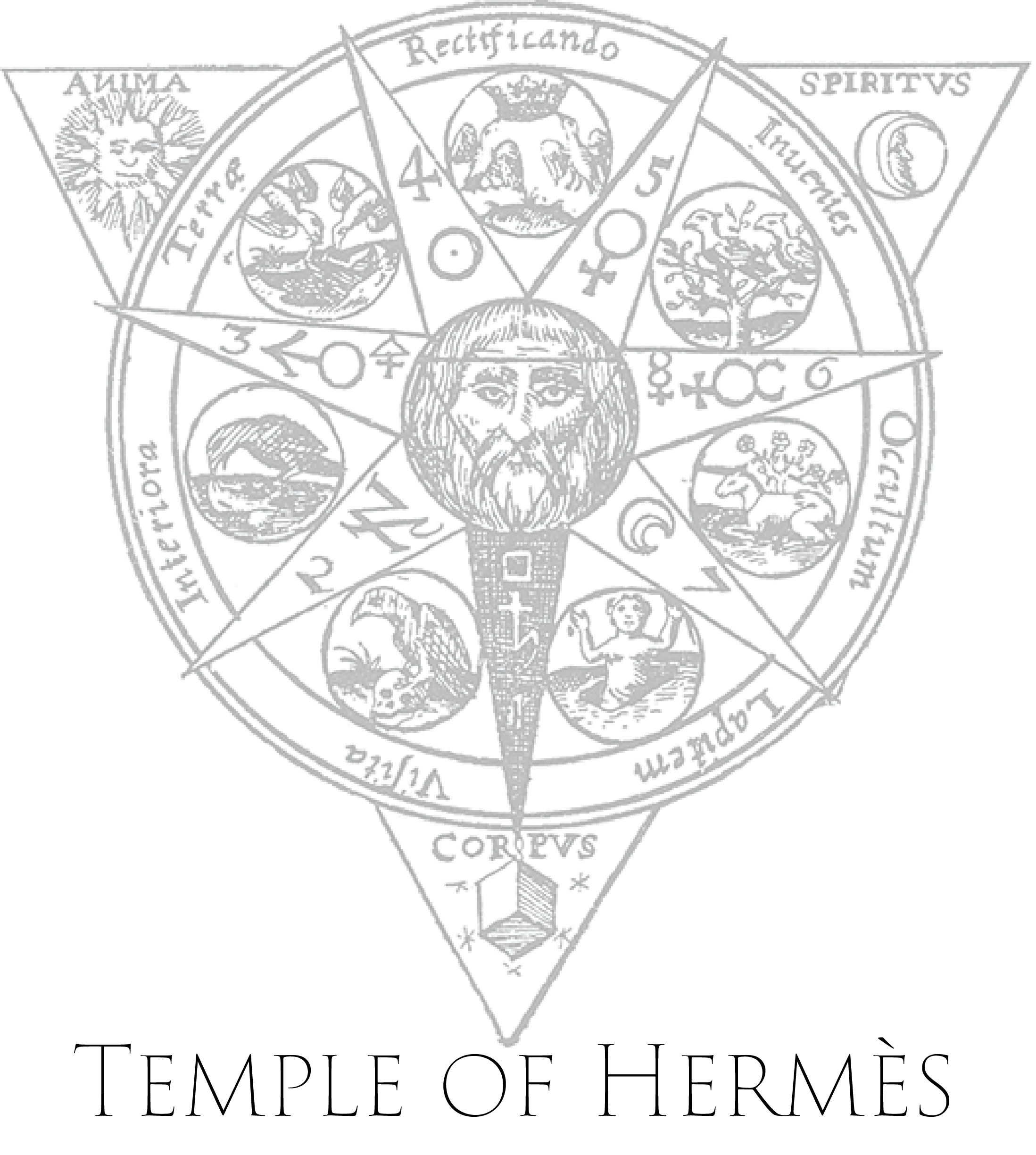
For those choosing into the exploration of Gnosis in this modern age, we aim to weave together insights from ancient Hermetic wisdom with contemporary spiritual practices and provide a pathway forward for those seeking with a True Heart. This endeavor seeks to illuminate the timeless relevance of the process that is Gnosis, emphasizing personal spiritual transformation and the attainment of higher knowledge through direct experience. Our journey throughout this topic will be structured into segments, each building upon the last to offer a comprehensive understanding and practical guidance on embracing Gnostic principles in today’s world.
Be sure to sign up for our paid membership to get FULL access to this content.
The wisdom contained herein draws from the ancient Hermetic principles, the transformative practices of spiritual alchemy, and the insights of modern metaphysics and psychology. As you embark on this journey, you will explore the interconnectedness of all life, the power of your thoughts and words to shape your reality, and the profound depths of your own soul.
This content is designed as a companion for your journey towards mastery and wisdom. It is structured to gradually introduce you to key concepts and practices, guiding you through deep reflections and transformative exercises. To get the most out of content, we recommend the following:
- Dedicate Time: Set aside dedicated time each day or week to engage with the material. This is not a race; the depth of your understanding and the quality of your practice matter more than speed.
- Journal Your Experiences: Keep a journal specifically for your insights, reflections, and experiences as you work through the workbook. Writing down your thoughts can greatly enhance your understanding and integration of the teachings.
- Practice Mindfully: Each exercise and meditation is designed to deepen your awareness and foster your personal growth. Approach them with an open heart and a mindful presence.
- Reflect and Revisit: As you progress, take time to reflect on how the teachings resonate with your life and experiences. Feel free to revisit sections that strike a chord with you or that you find particularly challenging.
- Create a Supportive Environment: Cultivate a space where you can engage with this work undisturbed. Whether it’s a quiet corner of your home or a spot in nature, find a place that supports your practice.
- Embrace the Journey: This path is as much about the journey as it is about the destination. Be open to where the journey takes you and embrace the lessons and transformations along the way.
We honor your commitment to this path and welcome you to the profound journey of self-discovery and universal understanding. May this be a lantern on your path, illuminating a pathway to mastery and wisdom.
Read Part One:
Part II: An Introduction to Gnosis
Gnosis, a term rich with historical and spiritual significance, refers to knowledge of spiritual truths obtained through direct experience or revelation, rather than through intellectual or doctrinal understanding. This concept is central to Hermeticism, an ancient philosophical and spiritual tradition that emphasizes the pursuit of hidden knowledge to understand the nature of the divine, the mundane and the cosmos in its grandest scale.
The study and foundation of Hermetic teachings, encapsulated in texts such as “The Corpus Hermeticum,” articulate a worldview where the material world and spiritual world are interconnected, and where the attainment of Gnosis is the ultimate path to enlightenment and unity with the divine. These ancient texts suggest that Gnosis is not merely about acquiring information but about experiencing a profound transformation of consciousness. A spark of divine from within…
“The personal choice to actively engage with the profound inter-connectedness of all existence, significantly alters the trajectory of our individual and collective futures. By choosing to dissolve the illusion of separateness and consciously stepping into the flow of cosmic energies, we not only transform our own spiritual journey but also contribute to the evolution of consciousness across and throughout the cosmos. . . This synergistic exchange enriches our understanding of existence, deepens our personal spiritual practice, and heralds a future where humanity recognizes its role, not as colonizers of nature or space, but as humble participants in the grand cosmic dance; intimately connected with all forms of intelligence, seen and unseen…“
R. Demetri Vallejos

In the modern context, the art of Gnosis transcends the boundaries of religious and spiritual traditions, offering a universal call to seek direct, experiential knowledge of the spiritual reality underlying our existence. This approach to spirituality resonates with contemporary seekers who value personal insight and transformation over adherence to external authorities or dogmas.
As we push further into the exploration of the revelation of Gnosis, we will discover how the ancient wisdom of the Hermetic tradition can be applied in the modern age, guiding us on a path of spiritual awakening, ethical living, and a deeper understanding of the cosmos and our place within it. Through this journey, we aim to illuminate the timeless relevance of Gnosis, offering practical guidance for those seeking to embrace its principles in their quest for spiritual growth and enlightenment
The Hermetic Principles, as elucidated in certain new age texts like “The Kybalion” and rooted in ancient Hermeticism, form the cornerstone of a timeless wisdom that transcends specific spiritual traditions. These principles articulate universal laws governing the cosmos, offering insights into the workings of the universe and our place within it. In the modern era, where science and spirituality increasingly intersect, the Hermetic Principles offer a framework for understanding the interconnectedness of all things and guiding personal and collective evolution.
Exploration of the Seven Hermetic Principles
- The Principle of Mentalism asserts that “The All is Mind; The Universe is Mental.” This foundational principle suggests that the underlying substance of the universe is consciousness itself. In contemporary terms, it resonates with concepts in quantum physics that observe the observer’s influence on the observed reality, pointing to a universe that is, at its core, a web of interconnected consciousness.
- The Principle of Correspondence, encapsulated by the axiom “As above, so below; as below, so above,” reflects the mirroring of the macrocosm and microcosm. This principle finds modern application in the idea that personal transformation affects collective change, and vice versa, emphasizing the importance of individual growth for societal evolution.
- The Principle of Vibration states that everything in the universe is in constant motion and vibration. Modern science supports this with the understanding that matter at its most fundamental level consists of vibrating particles. This principle underlies practices like meditation and sound healing, which aim to harmonize individual vibrational frequencies with those of the universe.
- The Principle of Polarity reveals that everything has its opposite, yet opposites are identical in nature, differing only in degree. This principle helps in understanding the dual nature of reality and the importance of balancing these forces within oneself. In contemporary life, it encourages the reconciliation of seemingly opposing forces, such as science and spirituality or logic and intuition.
- The Principle of Rhythm highlights the cyclical nature of the universe. Understanding this principle enables one to navigate life’s ebb and flow more gracefully, aligning personal rhythms with those of the natural world, as seen in practices that honor seasonal changes and lunar cycles.
- The Principle of Cause and Effect elucidates that nothing happens by chance; every action has a reaction or consequence. This principle empowers modern individuals to take responsibility for their actions and their consequences, understanding that personal and collective well-being is the result of conscious choice.
- The Principle of Gender posits that gender exists on all planes of existence and manifests as masculine and feminine principles within all beings. In contemporary interpretations, this principle encourages the balance and integration of masculine and feminine energies within the individual, promoting wholeness and holistic wellness.
Contemporary Applications and Interpretations
The resurgence of interest in Hermetic principles among modern spiritual seekers and thinkers is a testament to their enduring relevance. These timeless truths provide a lens through which to view both personal challenges and broader societal issues, offering pathways to harmony, balance, and deeper understanding.
For instance, the Principle of Mentalism encourages the cultivation of mindfulness and intentional thought, recognizing that our internal states shape our external experiences. The Principle of Correspondence can be seen in the growing emphasis on ecological sustainability, acknowledging that our treatment of the environment reflects and affects our internal landscapes.
Integrating Hermetic Wisdom into Daily Life
Integrating the Hermetic Principles into daily life begins with the recognition of the interconnectedness of all existence and the power of individual consciousness to influence reality. Practical steps include:
- Mindfulness and Meditation: Cultivate awareness of your thoughts and feelings, recognizing their power to shape your reality (Mentalism).
- Reflective Practice: Regularly contemplate the correspondence between your inner world and the external world, seeking harmony and balance (Correspondence).
- Energetic Harmony: Engage in practices that harmonize your personal energy with universal energy, such as yoga, qigong, or spending time in nature (Vibration).
- Embracing Dualities: Acknowledge and integrate the dual aspects of your nature, balancing action with receptivity, giving with receiving, and strength with gentleness (Polarity).
- Flow with Life: Develop resilience by understanding the natural cycles of change and growth in your life, celebrating the rhythms and seasons (Rhythm).
- Conscious Action: Make decisions with mindfulness of their potential effects, choosing actions that align with your highest values and the well-being of the whole (Cause and Effect).
- Balance Masculine and Feminine Energies: Explore and nurture both the masculine and feminine aspects of your being, understanding that both are necessary for creation and harmony (Gender).
Offering a profound and practical wisdom that, when understood and applied, these principles can lead to transformative growth and deeper alignment with the universal laws. By integrating these principles into our daily lives, we not only further our own spiritual evolution but also contribute to the collective advancement of consciousness.
The Path to Gnosis: Preparation and Practices
The journey towards Gnosis, and the direct experiential knowledge of the divine, is a pathway illuminated by the ancient wisdom of our ancestors and Fortune herself. For the truthful and earnest seeker is prepared in accordance with their destination. This path does not lie in the external accumulation of knowledge but in the internal transformation and awakening of the soul. Central to this transformative journey are practices that prepare the seeker, enabling a profound alignment with the cosmos and the discovery of the divine spark within.
The Importance of Mindfulness and Meditation
Mindfulness and meditation are foundational practices on the path to Gnosis. They cultivate the presence of mind and clarity of consciousness required to perceive the subtler dimensions of existence. Mindfulness, the art of being fully present and engaged with the moment without judgment, allows individuals to transcend the chatter of the ego-mind, fostering a state of receptivity to higher truths. Gnosis deepens this process, providing a technique to turn the attention inwards, exploring the landscape of the inner self, and eventually experiencing the unity of the self with the All.
Mindfulness and meditation are powerful practices that can enhance your connection to the present moment, reduce stress, and foster a deep sense of peace and well-being. Here are several techniques to help you embark on or deepen your mindfulness and meditation journey:
1. Breath Awareness Meditation
This is one of the simplest yet most profound meditation techniques. Focus your attention solely on your breath as it enters and exits your body. Notice the rise and fall of your chest, the sensation of air passing through your nostrils, and any sounds of breathing. Whenever your mind wanders, gently bring your focus back to your breath.
2. Body Scan Meditation
Lie down or sit comfortably and close your eyes. Starting at your feet and moving up to your head, pay attention to each part of your body. Notice any sensations, tensions, or discomfort. Breathe into each part of your body as you mentally scan it, inviting relaxation and release of tension.
3. Mindful Walking
Choose a quiet place where you can walk back and forth. Focus on the experience of walking, being aware of the sensations of standing and the subtle movements that keep your balance. With each step, note the lifting, moving, and placing of each foot. This practice can be a powerful way to cultivate mindfulness in motion.
4. Loving-Kindness Meditation (Metta)
Sit in a comfortable position and close your eyes. Begin by directing loving-kindness towards yourself, repeating phrases like, “May I be happy, may I be healthy, may I live with ease.” Gradually extend this loving-kindness outward, first to loved ones, then to acquaintances, and eventually to all beings. This practice fosters compassion and empathy.
5. Observation of Thoughts
Sit comfortably with your eyes closed and observe your thoughts as they arise and pass. Imagine your thoughts as clouds moving across the sky or leaves floating down a stream. The key is not to engage with the thoughts but to observe them from a distance, understanding their transient nature.
6. Mindful Eating
Choose a meal or snack and eat it mindfully. Pay attention to the colors, textures, smells, and flavors of the food. Chew slowly and notice the sensations and sounds as you eat. This practice can transform a routine activity into a profound exercise in mindfulness.
7. Guided Imagery
Listen to a guided imagery meditation, where a speaker leads you through a series of calming visualizations. This can be particularly helpful for those who find it difficult to quiet their mind independently. There are many free and paid resources online offering guided meditations for various purposes.
8. Zazen (Zen Meditation)
Sit on a cushion or chair, maintaining an upright but relaxed posture. Keep your eyes half-closed and gaze softly downward. Focus on your breath, counting each exhale up to ten and then starting over. Zazen is the heart of Zen Buddhist practice and emphasizes the unity of the practitioner with their meditation object.
9. Mantra Meditation
Choose a word, phrase, or sound that holds personal significance or is spiritually meaningful (e.g., “peace,” “Om,” “love”). Repeat your mantra silently or aloud, focusing your mind on the sound and vibrations. This practice can help anchor your mind and bring about deep states of meditation.
10. Mindful Listening
Select a piece of music and listen to it with your full attention. Notice the different instruments, melodies, rhythms, and any emotions or thoughts that arise. Alternatively, you can practice mindful listening in nature, paying attention to the sounds around you without judgment or interpretation.
Incorporating these mindfulness and meditation techniques into your daily routine can significantly impact your mental, emotional, and physical health. Experiment with different gnosis practices to find what works best for you, remembering that the goal is not to empty the mind but to become more aware and present. Through consistent practice, mindfulness and meditation assist us in developing the capacity to observe our thoughts and emotions as they arise without attachment, recognizing them as transient phenomena. This non-attachment is crucial for the seeker to move beyond the illusion of separateness and to understand the inter-connectedness of all things, a realization that lies within the heart of Gnosis.
Practices for Attuning to the Subtle Energies of the Cosmos
Hermeticism teaches that the cosmos is alive with subtle energies, vibrating at different frequencies and constituting the fabric of reality. Attuning to these energies is essential for the seeker aiming for Gnosis. This attunement can be achieved through various practices:
- Astrological Alignment: Understanding the influences of celestial bodies and aligning one’s energy with the cosmic rhythms can enhance spiritual awareness and receptivity to cosmic wisdom. Birth and Natal Charts
- Nature Immersion: Spending time in nature, observing and engaging with the natural world, allows one to sense the living energies of the Earth and sky, fostering a deep sense of connection with the cosmos.
- Energetic Hygiene: Practices such as grounding, centering, and shielding help maintain a clear and balanced energy field, enabling the seeker to interact more harmoniously with cosmic energies.
The Role of Alchemy in Personal Transformation
Alchemy, often misunderstood as merely the transmutation of base metals into gold, is fundamentally about the transformation of the self. It is an inner alchemy that seeks to purify and refine the individual’s nature, turning the lead of the uninitiated self into the gold of the awakened spirit. This transformation is achieved through a series of stages, each symbolizing a deepening understanding and integration of the self with the divine.
The stages described are central to the process of spiritual alchemy, and the metaphorical journey of transformation and inner enlightenment. Each stage has various names or can be seen through different lenses in various spiritual, psychological, and philosophical traditions. Here are some names or conceptual parallels used in our lineage:
Calcination
- Ego Deconstruction: Focusing on the dismantling of the ego-centric view of the self.
- Purification: A term used across spiritual traditions to describe the burning away of impurities.
- Spiritual Cleansing: Similar to purification, emphasizing the removal of spiritual blockages.
Dissolution
- Emotional Catharsis: The process of releasing and thereby providing relief from strong or repressed emotions.
- Shadow Work: A Jungian psychology term that involves confronting one’s shadow aspect, closely aligning with the idea of accepting the unconscious mind.
- Surrender: Emphasizes the release of control and the acceptance of higher will or the flow of life.
Separation
- Discernment: A more commonly used term that involves distinguishing between different aspects of oneself or one’s life, deciding what serves one’s highest good.
- Refinement: The process of refining or purifying aspects of the self, similar to the way metals are refined to separate them from their ore.
- Distillation: Though technically another stage in alchemy, it conceptually involves the purification or separation of essential from non-essential.
Conjunction
- Integration: A term from psychology, especially Jungian, referring to the process of integrating different aspects of the psyche into a coherent whole.
- Harmonization: Focusing on creating harmony within the self, between opposing forces or aspects.
- Unification: Emphasizes the coming together or union of separate parts into a single entity or consciousness.
These stages reflect a profound sense of gnosis and an inner journey that transcends specific spiritual or cultural contexts. As such, they can be interpreted through a wide variety of lenses. The essence of this process is universal: a transformation towards wholeness, enlightenment, or the realization of one’s true divine nature.
Integrating these practices into daily life sets the stage for the occurrence of Gnosis. Mindfulness and meditation cultivate a soil rich for the seeds of wisdom to grow; attuning to the subtle energies of the cosmos aligns the seeker with the universal flow, and the process of alchemy transforms the seeker from within, making them a vessel for the divine light.
On this path, the distinction between the seeker and the sought dissolves, revealing that the essence of the cosmos and the essence of the individual are one and the same. This realization, this experience of Gnosis, transcends the need for belief systems or dogmatic adherence, for it is a direct knowing, a re-connection with the All that is transformative and everlasting.
The journey to revelation is a path of return, a voyage that takes one from the periphery of material existence to the center of the spiritual Self, where the seeker discovers that they have always been home, behind a personal veil of thought and growth. It is a path marked not by the accumulation of external treasures but by the uncovering of the inner gold, the divine essence that resides within every soul. Through mindfulness, attunement to cosmic energies, and the transformative fires of alchemy, the seeker is prepared for the ultimate revelation of Gnosis; the vera scientia that liberates and unites the individual with the infinite expanse of the cosmos.
These meditation concept’s and visualization techniques are profound tools for spiritual exploration, offering pathways to transcend the physical realm and access higher states of consciousness. These practices, deeply rooted in certain traditions, harness the power of the mind and imagination to unlock spiritual insights and foster a direct, experiential understanding of the divine.
Gnosis Techniques for Transcending the Physical and Accessing Higher States of Consciousness
- Light Visualization Meditation: Begin by visualizing a divine light above your head, symbolizing the higher knowledge or gnosis. As you breathe in, imagine this light descending into your body, filling you with wisdom and peace. This practice helps dissolve the boundaries between the physical and spiritual, facilitating access to higher states of consciousness.
- The Bridging Breath: Use the breath as a bridge between the physical and the spiritual. Inhale deeply from the base of your spine, visualizing energy rising through each chakra or energy center until it reaches the crown of your head. As you exhale, visualize the energy cascading down around you, creating a protective, sacred sphere. This technique helps to align the physical body with higher vibrational energies.
- Sacred Words or Mantras: Recite sacred words, names, or mantras that resonate with the Gnostic tradition or your personal spiritual path. The vibration of these sacred sounds can elevate your consciousness and facilitate a deeper connection with the divine.
The Role of Imagination and Visualization in Gnostic Practices
In this practice, imagination and visualization are not mere flights of fancy but potent tools for spiritual awakening and growth. They enable the practitioner to:
- Create Inner Sanctuaries: Through visualization, you can construct detailed inner sanctuaries or temples within your mind, places of safety and spiritual power where you can engage with higher aspects of yourself, divine entities, or archetypal symbols.
- Embark on Spiritual Journeys: Gnostic visualization practices often involve journeys or quests within the inner landscape. These symbolic voyages can lead to profound insights, encounters with spiritual guides, and the recovery of hidden knowledge about the self and the universe.
- Manifest Spiritual Realities: By vividly imagining spiritual truths or realities, you bring them closer to your conscious experience, making abstract concepts tangible and directly experiential.
Creating and Utilizing Sacred Spaces for Spiritual Growth
Sacred spaces, both external and internal, are crucial for deepening one’s spiritual practice. They provide a conducive environment for meditation, reflection, and connection with the divine.
- Physical Sacred Spaces: Dedicate a specific area in your home for meditation and spiritual practices. Decorate this space with symbols, icons, or objects that hold spiritual significance for you. This physical space acts as a focal point for your spiritual energies and intentions.
- Nature as Sacred Space: Spending time in natural settings can profoundly enhance your spiritual practice. Nature inherently possesses a sacred quality that can help quiet the mind and attune you to the rhythms of the Earth and the cosmos.
- Constructing Inner Temples: Utilize visualization techniques to build an inner temple or sacred space within your mind. This can be a place of refuge during meditation, where you can engage in spiritual work protected from external distractions. Over time, enrich the details of your inner temple, making it a vibrant, living sanctuary for your spiritual exploration.
By integrating these meditation and visualization techniques into your spiritual practice, you create powerful avenues for personal transformation, deepening your connection to the divine, and expanding your consciousness beyond the physical realm. These practices underscore a view of inner-redemption / forgiveness and the act of enlightenment as an inward journey, revealing the divine spark within each individual.
The journey of gnosis toward spiritual enlightenment often confronts the illusion of separateness, a pervasive belief that we are distinct and isolated entities apart from the rest of the universe. This sense of separation not only alienates us from the cosmos but from our true selves. Overcoming this illusion is central to many spiritual traditions, including Hermeticism, which teaches about the All and the inherent unity of existence.
The Concept of the All and the Illusion of Separation
In Hermetic philosophy, the All is considered the ultimate reality, encompassing everything that exists—seen and unseen, known and unknown. It is the source from which all things emerge and to which all things return. The illusion of separateness arises from our limited physical senses and ego-consciousness, which perceive duality and division in the world. However, this perceived separation is just that—an illusion. At a deeper level, all things are interconnected and part of the All.
Practices for Experiencing Oneness with the Cosmos
Several practices can help dissolve the illusion of separateness and foster a profound experience of oneness with the cosmos:
- Meditation on Unity: Sit in quiet reflection and meditate on the inter-connectedness of all things. Visualize a thread of light connecting your heart to the heart of every living being and extending further to the stars and the entire cosmos. Feel your individual consciousness expand and merge with universal consciousness.
- Nature Immersion: Spend time in nature, observing the intricate web of life. Recognize your part in this web. Feel the air you breathe shared by the trees and the animals; the water that flows through rivers also flows through you. This practice helps to realize that humans are not separate from nature but an integral part of it.
- Loving-Kindness Meditation (Metta): This practice involves sending feelings of love and kindness to yourself, loved ones, strangers, and even those with whom you may have difficulties. It helps to break down the barriers we erect between “us” and “them,” revealing the underlying unity of all beings.
- Study Quantum Physics: Engaging with concepts from quantum physics, such as entanglement and the unified field theory, can provide a scientific perspective on the interconnectedness of the universe. It offers a fascinating glimpse into how everything in the universe is fundamentally connected at a subatomic level.
The Transformative Power of Realizing Inter-connectedness through Gnosis
Realizing the inter-connectedness of all things has profound implications for personal and collective growth. It fosters a sense of belonging, compassion, and empathy, driving us to act more ethically and sustainably. Recognizing that our actions have ripples across the web of existence encourages us to live more mindfully, with greater respect for life in all its forms.
This realization during gnosis can also be deeply healing, alleviating feelings of loneliness and isolation by reaffirming our place within the greater whole. It shifts our perspective from competition to cooperation, from isolation to community, and from exploitation to stewardship.
Ultimately, overcoming the illusion of separateness and experiencing oneness with the cosmos is a transformative journey that leads to enlightenment, or Gnosis, in the Hermetic tradition. It is the awakening to the truth that we are not merely a part of the universe but that we are the universe expressing itself as individual beings for a little while. This shift in awareness is the key to unlocking our full spiritual potential and living in harmony with the All.
The personal choice to actively engage with the profound inter-connectedness of all existence significantly alters the trajectory of our individual and collective futures. By choosing to dissolve the illusion of separateness and consciously stepping into the flow of cosmic energies, we not only transform our own spiritual journey but also contribute to the evolution of consciousness across and throughout the cosmos. This deliberate practice of unity and openness invites a deeper communion with the infinite forms of intelligence that populate the universe, including non-human species and otherworldly beings. As we open ourselves to the vast web of life that extends beyond our earthly experience, we become conduits for universal wisdom and cosmic energy, facilitating a shared evolutionary path. This synergistic exchange enriches our understanding of existence, deepens our spiritual practice, and heralds a future where humanity recognizes its role not as colonizers of nature or space but as humble participants in the grand cosmic dance, intimately connected with all forms of intelligence, seen and unseen. Through this expansive alignment, we unlock new potentials for growth and enlightenment, both personally and for the planet, paving the way for a future where the harmony between Earthly life and cosmic forces is not just envisioned but lived.
This pathway of Gnosis is marked by our pursuit of direct communion with the Divine, an encounter that transcends the intellectual understanding of sacred texts and doctrines to touch the very essence of being. This personal revelation is not merely an accumulation of knowledge but a profound, often life-altering, realization of unity with the All. Understanding, experiencing, and integrating these revelations are central to the journey toward personal enlightenment.
Understanding the Nature of Divine Revelation in Gnosis
In the heart of this philosophy lies the conviction that the Divine is not external to us, to be worshiped from afar, but is instead an integral part of our innermost being. Divine revelation, therefore, is an awakening to our truest nature and our inherent unity with the cosmos. It is characterized by the dissolution of the ego, the sense of a separate self, and the experience of oneness with the All. This revelation is deeply personal and unique to each seeker, yet universal in its essence, revealing the interconnected web of existence and the presence of the Divine in all things.
The nature of divine revelation transcends the conventional understanding of spiritual enlightenment as merely an acquisition of knowledge. It embodies a profound experiential awakening that reshapes the core of one’s being. This revelation is not delivered from an external deity to a passive recipient but emerges from the depths of the seeker’s own soul, revealing that the sacred and the mundane are not separate but are expressions of the same underlying reality.
At the crux of Gnostic revelation is the realization that the Divine is immanent, permeating every aspect of the universe and residing within each individual. This understanding fundamentally shifts the seeker’s relationship with the Divine, from one of distant adoration to intimate and direct communion. It dissolves the artificial barriers erected by the ego, which perpetuate the illusion of separateness—not just between the self and the Divine but among all manifestations of existence.
This dissolution of the ego is a critical phase in the Hero’s journey. The ego, with its constructs of identity and separation, serves as the primary obstacle to experiencing oneness with the cosmos. As the ego’s grip loosens, the seeker begins to perceive reality through a lens of unity, recognizing themselves as a microcosm of the macrocosm, a singular expression of the All. This shift in perception is accompanied by a profound sense of liberation and connection, offering a glimpse into the true nature of existence as an interconnected web of life, where every thread is vital and divine.
The personal and unique nature of this revelation means that it cannot be fully captured or conveyed through language. It must be directly experienced to be understood. Each seeker’s encounter with the Divine will differ, colored by their own spiritual path, life experiences, and inner predispositions. However, despite these variations, the essence of the revelation remains universal—the awareness of the unity and sacredness of all existence.
The awareness of the presence of the Divine in all things fosters a deep sense of reverence for life. It encourages a way of living that honors the sanctity of the environment, relationships, and even seemingly mundane activities. Every aspect of life becomes imbued with spiritual significance, as the seeker understands that serving others, caring for the planet, and nurturing personal growth are all expressions of the divine unity.
Integrating this divine revelation into one’s daily life is both a challenge and a transformative opportunity. It calls for a radical reevaluation of values, priorities, and the very way one engages with the world. The seeker is compelled to live more authentically, aligning actions with the deep wisdom revealed in the moment of awakening. This alignment brings about a harmonious existence that not only elevates the individual’s life but contributes to the collective evolution of consciousness.
In essence, the nature of this divine revelation offers a path to transcending the illusory boundaries that divide the sacred from the profane, the self from the other, and the individual from the cosmos. It invites seekers to step into a reality where every moment is an opportunity to experience the Divine, where every part of creation is a doorway to the infinite. This realization is at the heart of our wisdom teachings; a beacon guiding the seeker home to their true nature and to the ultimate unity that binds all existence.
Personal Testimonies and Historical Accounts of Gnostic Experiences
Throughout history, mystics, saints, and seekers have reported experiences of Gnosis that mirror the revelation of unity with the Divine. These accounts often describe moments of profound insight, unspeakable joy, and an overwhelming sense of love and peace. For some, this revelation comes in the quiet of deep meditation or prayer, for others, through the awe-inspiring beauty of nature, or during moments of intense personal crisis that shatter the ordinary sense of self.
One such account describes a seeker’s experience during meditation, where the boundaries between the self and the universe dissolved, revealing a luminous interconnectedness with all life. Another recounts a moment of grace in nature, where a simple sunset became a portal to the Divine, imbuing the seeker with a deep sense of belonging to something infinitely greater than oneself.
Gnosis through direct revelation, with its emphasis on direct, personal experience of the Divine and the inherent divinity within each individual, echoes through various historical and biblical texts, often standing in contrast to more orthodox interpretations. While Gnosticism as a distinct tradition flourished in the early Christian era, the essence of Gnostic revelation—seeking unity with the Divine through inner knowledge (gnosis)—can be found in numerous religious and philosophical traditions across history. Here are some accounts and texts that reflect this Gnostic revelation:
Historical Accounts
- The Nag Hammadi Library: Discovered in Egypt in 1945, this collection of Gnostic texts offers profound insights into early Christian Gnosticism. Works like the “Gospel of Thomas” and the “Apocryphon of John” emphasize direct, personal knowledge of the Divine, challenging traditional narratives and hierarchies.
- The Hermetica: Ancient Greco-Egyptian texts attributed to Hermes Trismegistus, these writings blend elements of Greek philosophy, Christian theology, and Egyptian mysticism. They articulate a vision of the cosmos where the Divine is immanent, and enlightenment comes through understanding the unity of all existence.
Biblical Texts
- The Gospel of John: Although part of the canonical Bible, the Gospel of John contains passages that resonate with Gnostic themes, such as the emphasis on inner light and truth. Phrases like “The kingdom of God is within you” (Luke 17:21) suggest a direct, personal connection to the Divine, akin to Gnostic beliefs.
- The Book of Revelation: This apocalyptic text is rich in symbolic imagery and visions revealing divine truths to the author, John. While not Gnostic per se, its emphasis on direct revelation and the mystical union with the Divine shares similarities with Gnostic experiences.
Mystical Traditions
- Sufism: The mystical branch of Islam, Sufism emphasizes direct personal experience of the Divine through love and devotion. Rumi, a 13th-century Persian poet and Sufi mystic, wrote extensively about dissolving the ego and realizing unity with God.
- Kabbalah: A mystical and esoteric interpretation of Jewish teachings, Kabbalah offers insights into the nature of the Divine, the universe, and the soul. It emphasizes direct, personal encounters with the sacred, much like Gnostic spirituality.
Philosophical Texts
- Plato’s Allegory of the Cave: Found in “The Republic,” this allegory describes prisoners in a cave who mistake shadows for reality. When one escapes and sees the world outside, he experiences a profound revelation about the nature of truth and the Divine. This allegory parallels the Gnostic journey from ignorance to enlightenment.
- Plotinus’ Enneads: Plotinus, a 3rd-century philosopher, founded Neoplatonism, which posits that all existence emanates from a single source, “The One.” His work, the Enneads, explores the soul’s journey back to unity with The One, echoing Gnostic themes of return and reunion with the Divine.
These accounts, while varied in origin and tradition, all share a core Gnostic principle: the pursuit of direct, personal knowledge of the Divine. They reflect a universal human longing to transcend the material and experience the sacred within and all around. Through their narratives, symbols, and teachings, these texts invite seekers to embark on their own journeys of discovery, reminding us that the path to the Divine is as much within as it is without. The historical relevance here highlight’s the transformative power of this powerful revelation, offering glimpses into the profound shifts in perception and consciousness that accompany the direct experience of the Divine.
Guidance on Interpreting and Integrating Revelations
The aftermath of revelation can be as challenging as it is enlightening. The task then becomes one of interpreting and integrating this profound experience into daily life.
- Contemplation and Reflection: After experiencing a revelation, it’s crucial to spend time in contemplation, allowing the insights and emotions to fully unfold. Journaling about the experience can help articulate its nuances and understand its implications for your personal spiritual journey.
- Seek Guidance: Sharing your experience with a trusted spiritual advisor, mentor, or community can provide valuable perspectives and help you navigate the changes in your understanding and worldview. It’s important to connect with those who respect the deeply personal nature of your revelation and offer support without dogma.
- Live the Insights: Integrating divine revelation into your life is an ongoing process. It may prompt changes in your relationships, career, and daily practices. Strive to embody the insights and values revealed to you, living with greater authenticity, compassion, and mindfulness. The revelation should inspire you to act more ethically, sustainably, and lovingly, recognizing the Divine in yourself and in all beings.
- Spiritual Practice: Continue or adjust your spiritual practice to maintain and deepen your connection to the Divine. Practices such as meditation, prayer, and acts of service can become means of honoring and extending the insights gained from your revelation.
- Embrace Change: A Gnostic revelation often initiates a period of transformation. Embrace this process, understanding that it may require you to let go of outdated beliefs or aspects of your identity that no longer serve your highest good. Trust that this unfolding leads you closer to your true self and the Divine essence within.
- Stay Open: The journey doesn’t end with a single revelation; the Divine is infinite, and so too is the path of Gnosis. Stay open to new insights, experiences, and understandings, knowing that each step on the path is an opportunity for deeper realization and unity with the All.
The direct experience of the Divine is a profound and sacred journey, marked by moments of significance that illuminate the true nature of our reality and our place within it. These experiences, and the wisdom they impart, are gifts of grace, guiding us toward a life of greater purpose, harmony, and connection to the Divine. As we interpret and integrate these personal revelations, we pave the way for a future where our lives are a reflection of the deep, abiding unity and love that is the essence of the cosmos.